Generic Medications: What They Are, How They Save Money, and What to Watch For
When you hear generic medications, copies of brand-name drugs that contain the same active ingredients, dosage, and intended use. Also known as generic drugs, they are approved by health regulators to work just like their name-brand counterparts—only without the marketing costs. Most people don’t realize that the pill in your hand might be identical to the one you’ve been paying twice as much for. The difference isn’t in how it works, but in the label, the color, and the price tag.
Generic medications aren’t second-rate—they’re the same medicine, just cheaper. The FDA requires them to meet the same strict standards as brand-name drugs. That means the same active ingredient, same strength, same way it’s taken, and same effect on your body. You’re not getting a weaker version. You’re getting the same result, whether it’s cetirizine, the generic version of Zyrtec used for allergies, or famciclovir, the generic form of Famvir for cold sores. The only real difference? You might pay $5 instead of $50.
But here’s the catch: not all generic meds are created equal in practice. Some people notice slight differences in how they feel—maybe the pill dissolves faster, or the inactive ingredients cause a mild reaction. That’s because while the active ingredient is identical, the fillers, dyes, and coatings can vary. These don’t change how the drug works, but they can affect how your body reacts to it. That’s why some folks stick with brand names, even when generics are available. And if you’re switching from brand to generic, especially for things like gabapentin, used for nerve pain and seizures or metformin, the go-to drug for type 2 diabetes, it’s smart to watch for any changes in how you feel.
Buying generic medications online can save you hundreds a year, but it also opens the door to risky pharmacies. Some sites sell fake or contaminated pills disguised as generics. That’s why knowing how to spot a legitimate online pharmacy matters. Look for verified seals, licensed pharmacists, and clear contact info. Don’t trust a site that doesn’t ask for a prescription. The same rules that apply to buying Topamax, a seizure and migraine drug or losartan, a blood pressure medication apply to every generic you buy—safety comes first, savings second.
Whether you’re managing diabetes, allergies, nerve pain, or high blood pressure, generic medications are a smart, proven way to cut costs without cutting corners. But they’re not magic. You still need to understand what you’re taking, how to use it right, and when to talk to your doctor. That’s why this collection dives into real stories and practical guides—from how to safely buy cheap generic Zyrtec online, to why switching from brand-name gabapentin might cause side effects, to how to avoid dangerous drug interactions with everyday supplements like licorice. You’ll find clear advice on what works, what doesn’t, and how to protect yourself while saving money. No fluff. No hype. Just what you need to know to make smart choices with your health and your wallet.
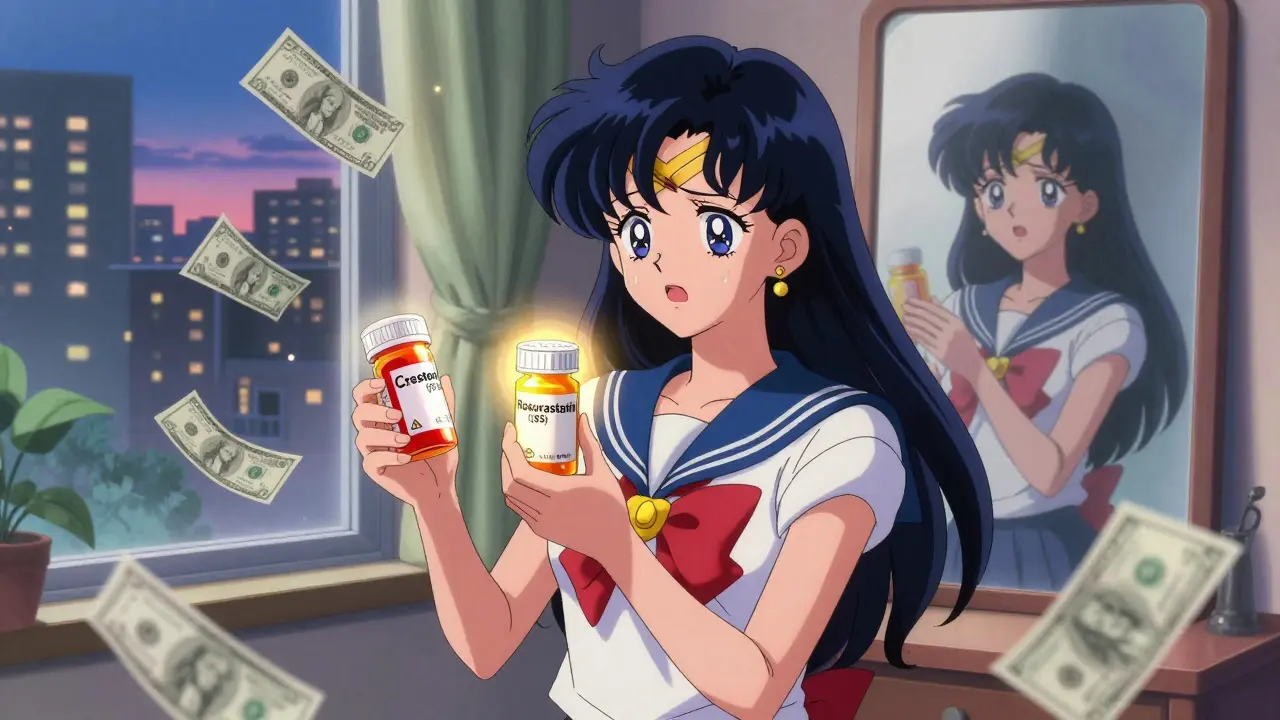
Lower generic drug prices directly improve patient adherence, reduce hospitalizations, and save billions in healthcare costs. Evidence shows that when out-of-pocket costs drop, people take their meds - and live longer.
Read More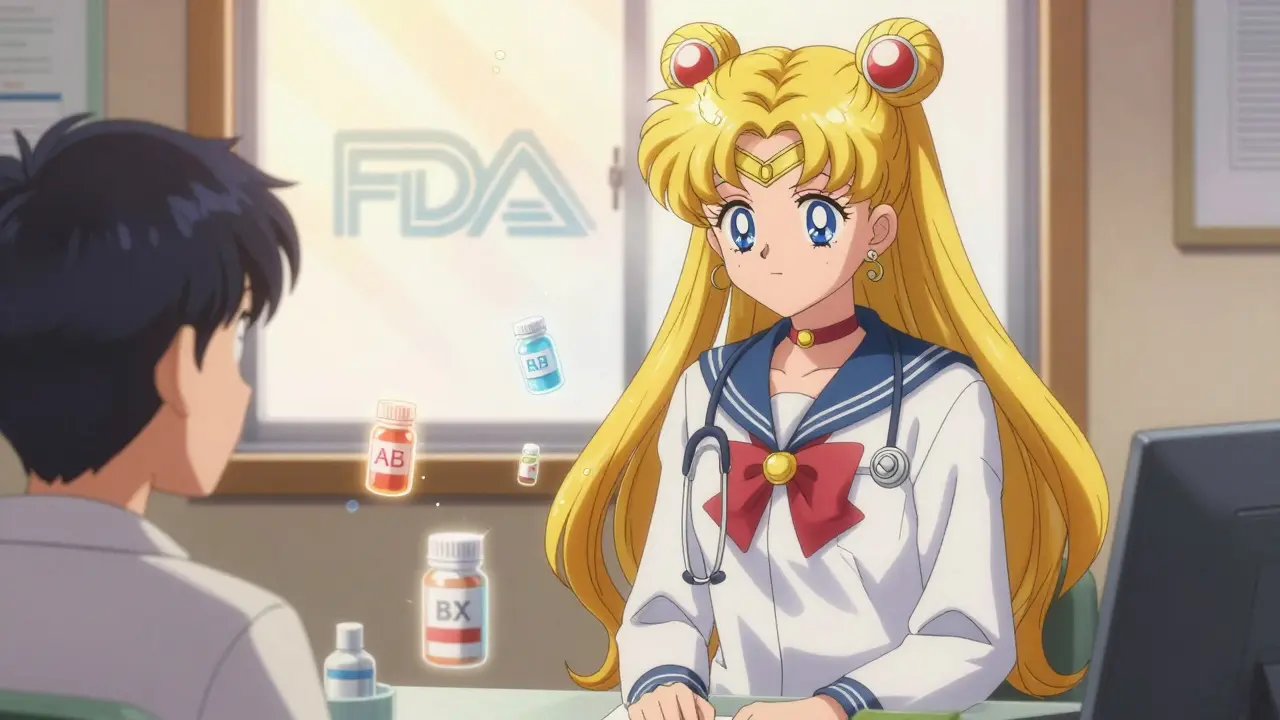
Real provider experiences with generic medications reveal that while most generics work as well as brand-name drugs, subtle formulation differences can impact patients on narrow therapeutic index medications. Learn when substitution is safe-and when it’s not.
Read More
Generic medications save billions annually by offering the same effectiveness as brand-name drugs at a fraction of the cost. Learn how much you can save and how to ensure you're getting the best deal.
Read More