Supplement Interactions: What You Need to Know Before Taking Them
When you take a supplement interaction, a harmful or unexpected reaction between a dietary supplement and a medication or another supplement. Also known as drug-supplement interaction, it can turn something you think is harmless—like licorice or vitamin C—into a serious health risk. Most people assume supplements are safe because they’re "natural." But natural doesn’t mean harmless. Licorice can spike your blood pressure and wreck your potassium levels. Vitamin C can interfere with chemotherapy. St. John’s Wort can make your birth control fail or your antidepressant useless. These aren’t rare cases. They happen every day, often because no one asked the doctor or pharmacist about what else you’re taking.
Supplement interactions aren’t just about pills and herbs. They also involve medication safety, the practice of preventing harm from drugs and supplements through awareness, verification, and communication. Think of it like driving: you don’t just check the gas tank—you also check the brakes, the lights, and whether the road ahead is clear. The same goes for your meds. If you’re on blood pressure medicine, a potassium-lowering supplement could send you to the ER. If you’re taking an antibiotic, some herbal teas can make it useless. And if you’re on opioids or benzodiazepines, even a simple sleep aid can slow your breathing to a dangerous level. These aren’t hypothetical risks. They’re documented, preventable, and often ignored until it’s too late.
What makes this even trickier is that herbal supplements, plant-based products marketed for health benefits but not regulated like pharmaceuticals. don’t have to prove safety or interaction risks before hitting shelves. One brand of turmeric might be pure. Another might be laced with undeclared steroids. One gummy vitamin might contain 100% of the label’s promise. Another might have half. And because these aren’t tracked in your medical record like prescription drugs, your doctor might not even know you’re taking them. That’s why you need to speak up—every time you see a provider, list everything you swallow, even if you think it’s "just a tea" or "a little something for energy."
What You’ll Find in These Articles
This collection isn’t about scare tactics. It’s about real stories, real risks, and real fixes. You’ll read about how licorice quietly sabotages blood pressure meds, how vitamin C can mess with cancer treatments, and why some people get hiccups from steroids—not because they’re weak, but because of chemistry. You’ll learn how to spot when a supplement is doing more harm than good, how to talk to your pharmacist without sounding paranoid, and which combinations are known to be deadly. These aren’t theories. They’re lessons drawn from actual cases, patient reports, and clinical data. You don’t need a medical degree to understand them. You just need to care enough to ask the right questions.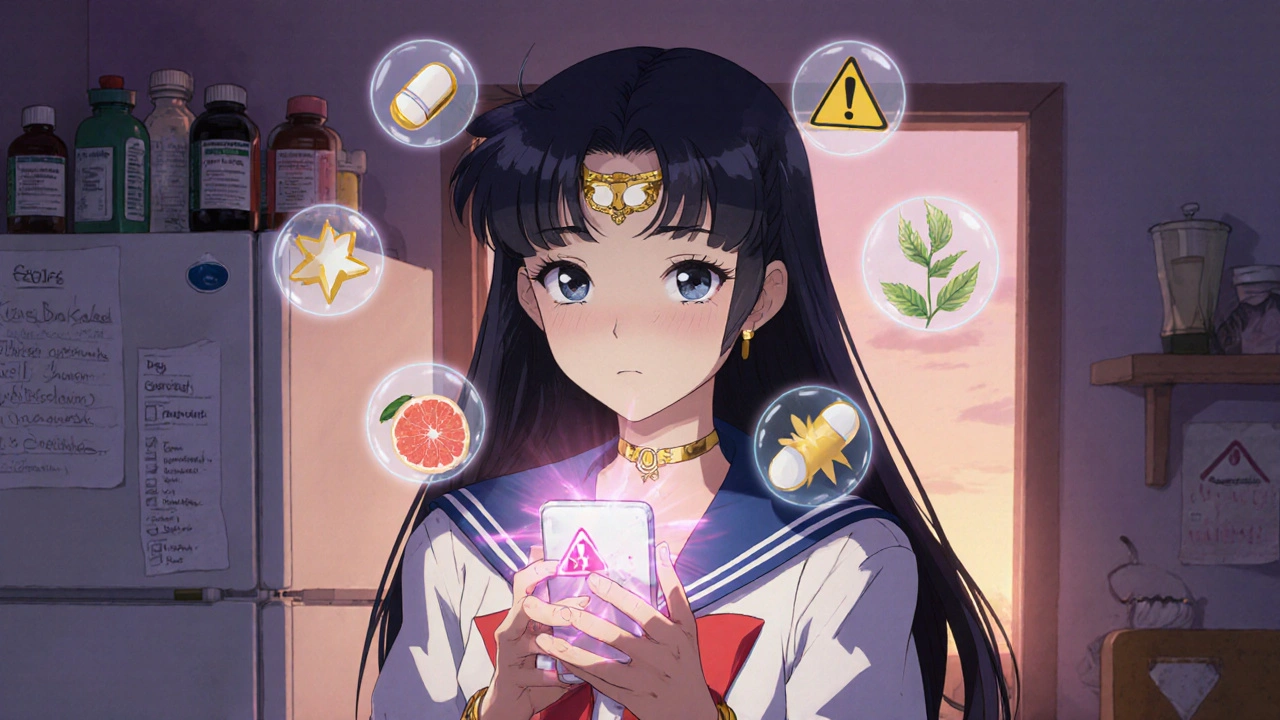
Learn how to safely check for drug interactions at home using free, reliable tools. Avoid dangerous combos between prescriptions, OTC meds, and supplements with step-by-step guidance and expert-backed tips.
Read More