Pediatric Drug Storage: Safe Ways to Keep Kids' Medications Out of Reach
When it comes to pediatric drug storage, the practice of securely keeping medications away from children to prevent accidental ingestion. Also known as child-safe medicine storage, it’s not just a suggestion—it’s a life-saving habit. Every year, over 60,000 children in the U.S. end up in emergency rooms after swallowing pills they found at home. Most of these incidents happen because meds were left within reach, even if just for a minute.
Medicine cabinets, the common storage spot in bathrooms and bedrooms. Also known as bathroom medicine storage, are one of the biggest risks. Kids learn to open them fast, especially if they’re not locked. Even if you think your child can’t reach the shelf, they can climb, pull things down, or copy what adults do. The same goes for pill organizers, daily trays used to sort meds by time of day. Also known as pill boxes, they’re convenient for adults but dangerous if left on counters or nightstands. A single misplaced tablet can lead to an overdose.
It’s not just about locking things up—it’s about where you put them. Keep all medications, even vitamins and cough syrup, in a high cabinet with a childproof latch. Use locks or latches designed for medicine storage—those cheap plastic clips won’t cut it. Never store meds in purses, drawers, or on bedside tables. Kids explore everything, and they’re quick learners. If you use a pill organizer, put it back in the locked cabinet right after you fill it. And don’t forget about patches, liquids, and inhalers—they’re just as dangerous as pills. Child-resistant packaging, special caps and containers designed to slow down access by young children. Also known as CRC packaging, helps—but it’s not foolproof. Always assume a determined child can get in.
Temperature and light matter too. Heat and moisture ruin medicines and make them less effective. Don’t store insulin, liquid antibiotics, or nitroglycerin in the bathroom. Keep them in a cool, dry place like a bedroom closet or kitchen cabinet away from the stove. Some meds need refrigeration—check the label. And never transfer pills into unmarked containers. A candy jar might look harmless, but it’s a recipe for disaster. Kids don’t know the difference between medicine and gummies.
What about expired or unused drugs? Don’t flush them or toss them in the trash. Many communities have drug take-back programs. If none exist, mix pills with coffee grounds or cat litter, seal them in a bag, and throw them out. This keeps them from being found or dumped into water systems. Teaching kids that medicine isn’t candy starts early. Even toddlers understand "no" when it’s firm and consistent. Make it part of your routine, like locking doors or holding hands in parking lots.
Below, you’ll find real advice from parents and caregivers who’ve dealt with near-misses, mistakes, and solutions that actually work. Whether you’re juggling multiple prescriptions, dealing with a curious toddler, or just want to make sure nothing slips through the cracks, these posts give you the clear, no-nonsense steps to keep your kids safe.
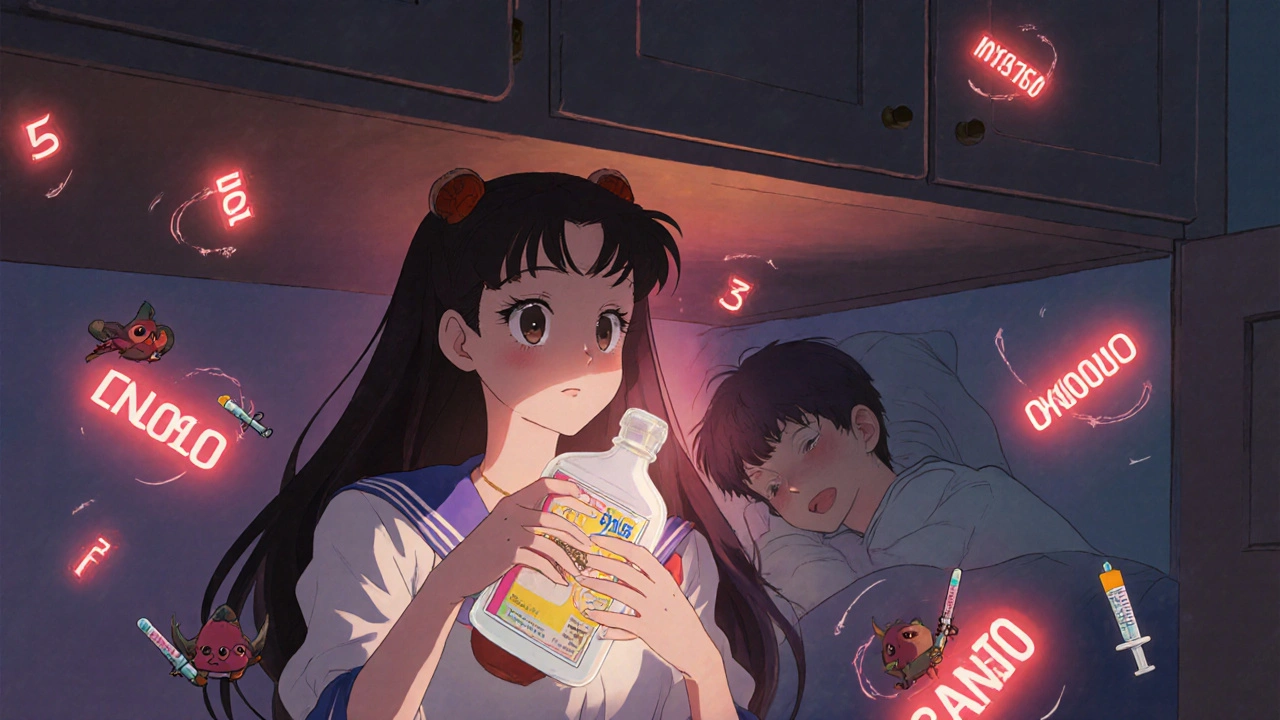
Expired pediatric medications can be dangerous-even deadly-for children. Learn why you should never give them, how to safely dispose of them, and how to prevent accidental exposure in your home.
Read More