OTC Interactions: What You Need to Know About Over-the-Counter Drug Risks
When you grab a bottle of ibuprofen, a sleep aid, or a herbal supplement at the store, you might think it’s harmless. But OTC interactions, the unintended and sometimes dangerous effects that happen when over-the-counter medicines mix with other drugs or supplements. Also known as drug interactions, these can turn a simple pain reliever into a risk to your heart, liver, or breathing. Millions of people take OTC meds daily without realizing they’re stacking them with prescriptions, vitamins, or even alcohol—creating hidden dangers that doctors don’t always catch.
Take licorice, a common candy ingredient that can spike blood pressure and drop potassium levels when taken with blood pressure meds or diuretics. Or benzodiazepines, prescription anxiety drugs that become deadly when mixed with opioids or even certain sleep aids found on pharmacy shelves. These aren’t rare cases. The FDA tracks thousands of emergency visits each year from people who didn’t know their daily aspirin or melatonin was interfering with their heart medication or antidepressant. Even something as simple as antihistamines—often used for allergies—can clash with sedatives, causing dizziness, confusion, or worse.
What makes OTC interactions so tricky is that they don’t always show up right away. One day you feel fine taking your blood pressure pill with a cold tablet. The next, you’re dizzy, your heart races, or your kidneys struggle. It’s not about being careless—it’s about not knowing what to look for. Labels rarely warn you about every possible combo. Pharmacists are busy. Your doctor might not even know you’re taking that turmeric pill or extra-strength Tylenol.
That’s why knowing the big players matters. OTC interactions most often involve painkillers like acetaminophen and NSAIDs, sleep aids like diphenhydramine, herbal products like St. John’s wort, and even common vitamins like vitamin K or magnesium. These aren’t just random substances—they’re active chemicals that change how your body handles other drugs. Some speed up metabolism. Others block absorption. A few even mimic the effects of prescription meds, doubling down on side effects.
And it’s not just about pills. Think about what you eat. Licorice, grapefruit, and even green tea can throw off how your body processes meds. Alcohol? It’s not just a party drink—it’s a silent interaction partner that can turn a normal dose of painkiller into a liver stress test. Even something as simple as a daily multivitamin can interfere with thyroid meds or antibiotics if taken at the wrong time.
The good news? You don’t need a pharmacy degree to protect yourself. Start by keeping a simple list: every pill, capsule, gummy, or tea you take daily. Bring it to every doctor or pharmacist visit. Ask: "Could this mix with anything else I’m taking?" Don’t assume it’s safe because it’s "over-the-counter." That label means it’s easy to buy—not that it’s risk-free.
In the posts below, you’ll find real examples of these hidden clashes—from how licorice messes with blood pressure meds to why mixing certain antihistamines with sedatives can slow your breathing. You’ll learn what to watch for, what to avoid, and how to talk to your provider before the next cold season hits. These aren’t theory lessons. They’re survival tips written by people who’ve seen what happens when OTC interactions go wrong.
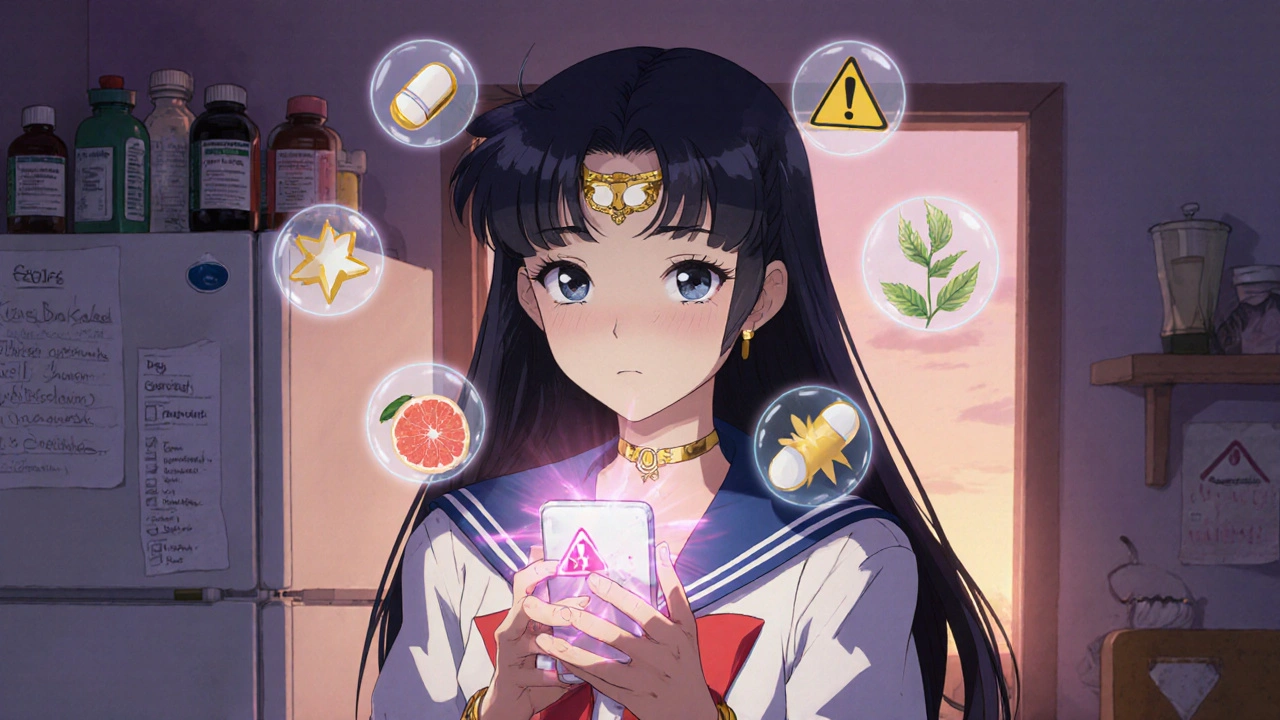
Learn how to safely check for drug interactions at home using free, reliable tools. Avoid dangerous combos between prescriptions, OTC meds, and supplements with step-by-step guidance and expert-backed tips.
Read More