Medication Safety: Avoid Dangerous Interactions and Protect Your Health
When you take a pill, you're not just dealing with one drug—you're entering a system where medication safety, the practice of using drugs in ways that minimize harm and maximize benefit. Also known as drug safety, it's the quiet guardrail between relief and crisis. Most people think safety means following the label. But the real dangers? They hide in plain sight: the licorice candy you snack on while on blood pressure meds, the leftover antibiotics you saved "just in case," or the sleep aid you grabbed because your doctor didn’t mention it could slow your breathing to a stop when mixed with opioids.
Drug interactions, when two or more substances change how each other works in your body. Also known as medication interactions, it's not just about prescriptions. It’s what happens when your daily vitamin C supplement clashes with your kidney meds, or when your antihistamine causes an allergic reaction instead of helping your allergies. These aren’t rare edge cases. Studies show over 70% of adults take at least one medication that could interact with something else they use—food, supplements, or even over-the-counter painkillers. And it’s not just about what you take—it’s about how you store it. Expired pediatric medications can turn from harmless leftovers into life-threatening hazards. A child who swallows an old antibiotic might not just get sick—they could develop a resistant infection that no drug can fix. Then there’s the rise of online pharmacies selling cheap generics. Buying generic medications, pharmaceutically identical versions of brand-name drugs sold at lower prices. Also known as brand generics, they’re a smart way to save money—if you know which pharmacies are legit. Fake pills are everywhere. A single counterfeit pill of gabapentin or Topamax can contain anything from chalk to deadly fentanyl.
Medication safety isn’t about fear. It’s about awareness. It’s knowing why you should never carry pills in a pill organizer when flying internationally. It’s understanding that skin thinning from a steroid cream isn’t just a side effect—it’s a sign you’ve crossed into dangerous territory. It’s realizing that a "non-drowsy" antihistamine might still cause problems if you have liver disease. The posts below cover exactly these moments—the quiet mistakes, the overlooked risks, the hidden traps. You’ll find real stories, real science, and real steps to protect yourself and your family. No fluff. No guesswork. Just what you need to know before you take the next pill.
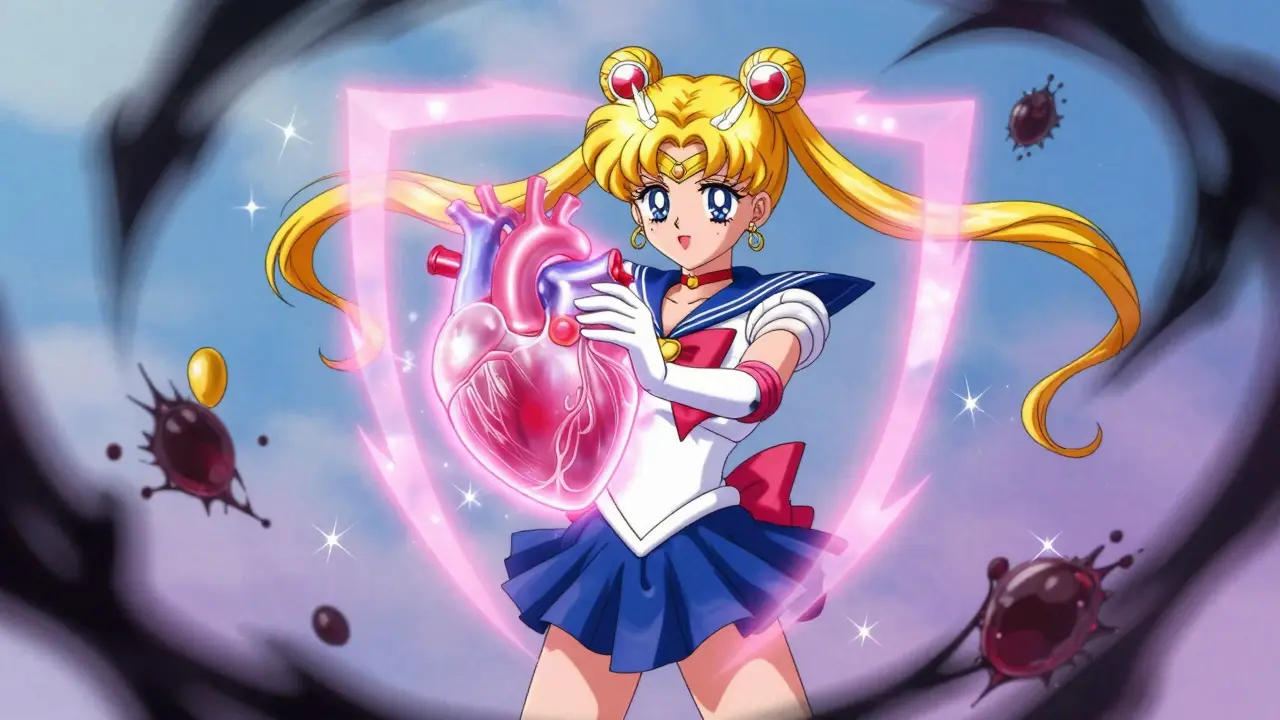
Understanding the risks of combining Direct Oral Anticoagulants (DOACs) with common heart and allergy medications to prevent bleeding and clotting.
Read More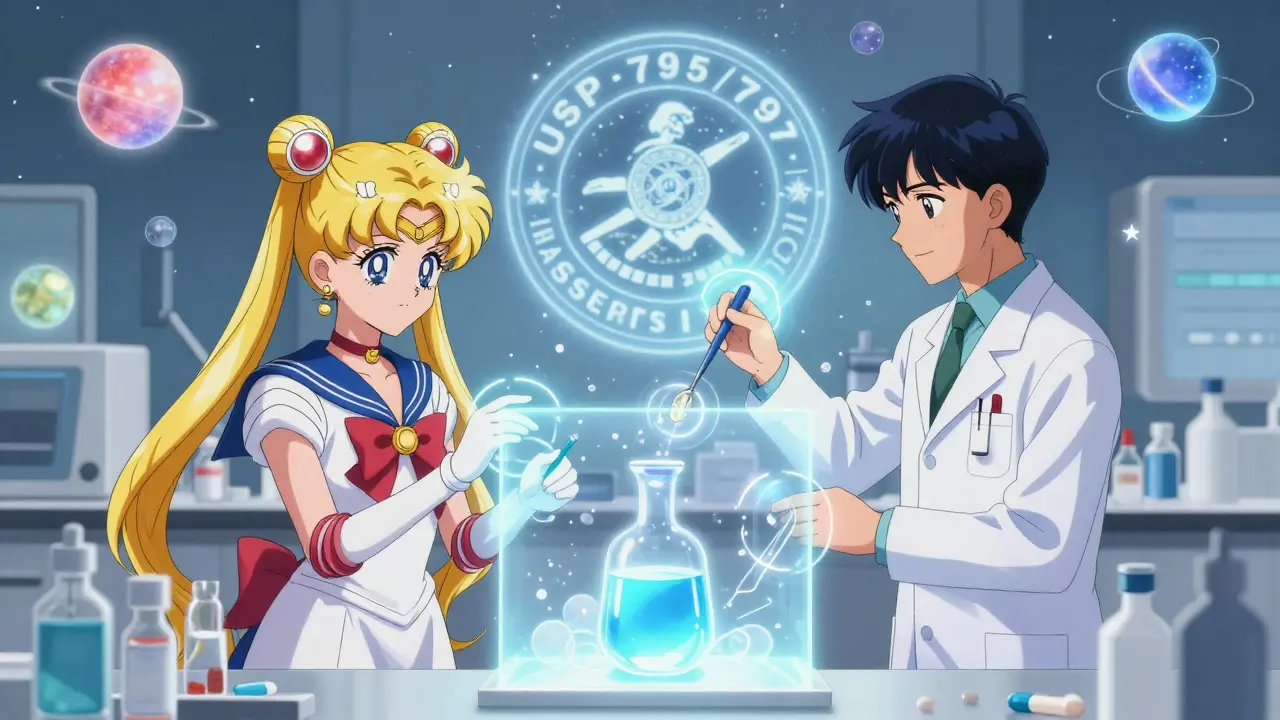
Preventing compounding errors in customized medications requires strict adherence to USP standards, dual verification, proper labeling, and staff training. Learn how pharmacies reduce risks and keep patients safe.
Read More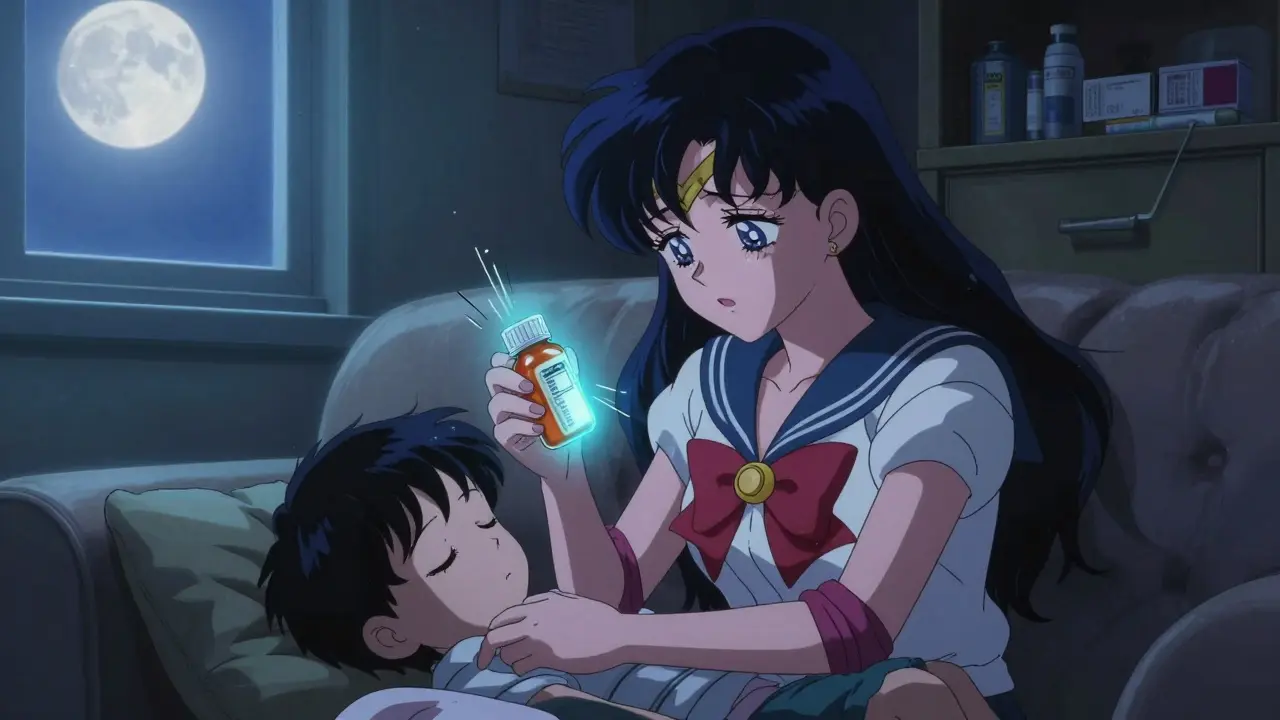
Learn how to safely assess the risk of using expired medications when no alternatives are available. Know which drugs are dangerous, which might still work, and how to check for signs of degradation.
Read MoreMedication Reconciliation: How to Update Medication Lists Across Care Settings for Safer Transitions
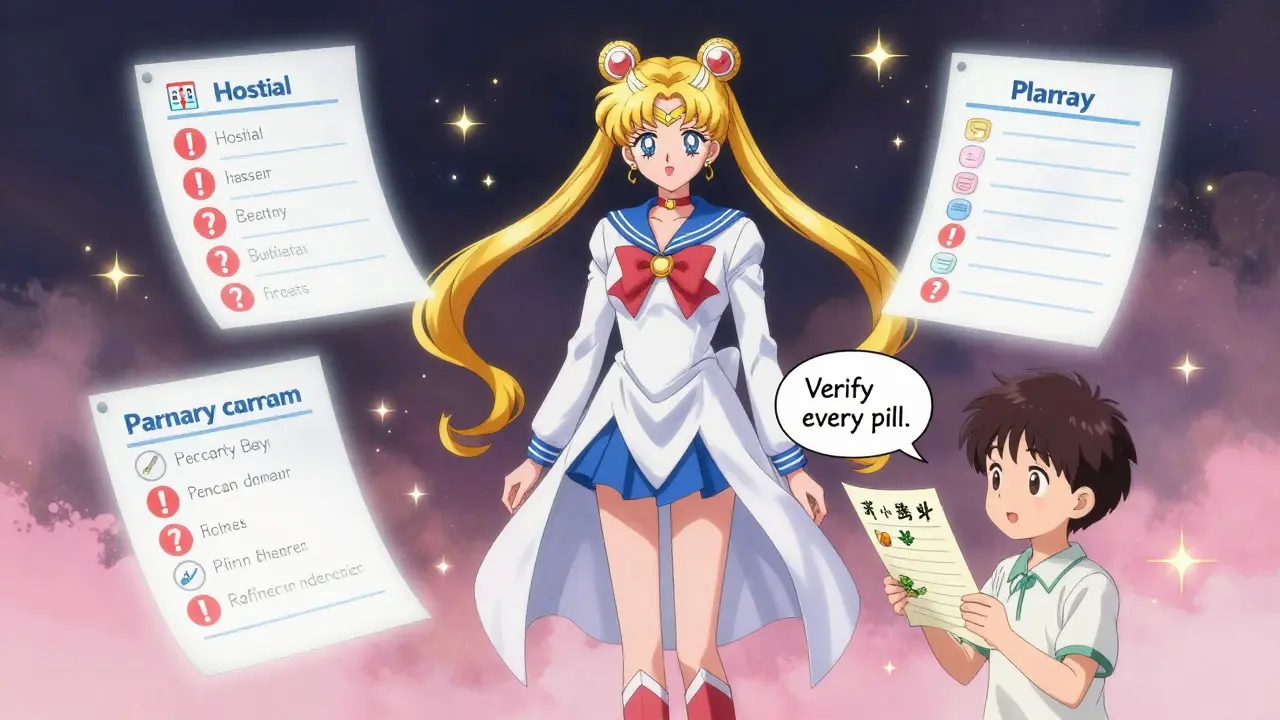
Medication reconciliation saves lives by ensuring accurate medication lists during care transitions. Learn how it works, why it often fails, and what patients and providers can do to prevent dangerous errors.
Read More
Prescription errors harm over 1.5 million people yearly. Learn the 7 key signs to spot mistakes before they hurt you - from confusing abbreviations to dangerous dosing errors - and how to protect yourself as a patient.
Read More
Learn how to recognize, document, and report a medication error to your provider or the FDA. Your report can prevent harm to others and help fix broken systems in healthcare.
Read More