Melatonin Side Effects in Kids: What Parents Need to Know
When kids struggle to fall asleep, many parents turn to melatonin, a naturally occurring hormone that helps regulate sleep-wake cycles. Also known as the sleep hormone, it’s one of the most commonly used supplements for children with trouble falling asleep—especially those with autism, ADHD, or delayed sleep phase syndrome. But just because it’s available over the counter doesn’t mean it’s risk-free. While melatonin can help some kids fall asleep faster, it’s not a magic pill, and side effects in kids are more common than most parents realize.
Common side effects include drowsiness that lasts into the morning, headaches, dizziness, and nausea. Some kids become more irritable or even experience mild mood changes. Less common but more serious reactions include bedwetting, increased heart rate, and in rare cases, seizures in children with neurological conditions. Studies show that long-term use might interfere with natural hormone development, especially during puberty. The pediatric sleep aid, a supplement often used to treat circadian rhythm disorders in children isn’t regulated like prescription drugs, so dosages vary wildly between brands—some pills contain up to 10 times more melatonin than labeled. That’s why many pediatricians recommend starting with the lowest possible dose: 0.5 mg to 1 mg, given 30 to 60 minutes before bedtime.
It’s also important to understand what melatonin doesn’t do. It won’t fix poor sleep habits, screen time before bed, or an inconsistent routine. If your child’s sleep issues stem from anxiety, environmental factors, or underlying conditions like sleep apnea, melatonin won’t solve those problems—and could mask them. That’s why it’s crucial to talk to your child’s doctor before starting. They can help rule out other causes and recommend safer, longer-term strategies like behavioral sleep training, which studies show works just as well—and without any chemical side effects.
Many parents worry about dependency, but melatonin isn’t addictive like some prescription sleep drugs. Still, kids can get used to needing it to fall asleep, making it harder to stop. That’s why short-term use under medical guidance is best. If your child has been taking it for months, it’s time to reevaluate. The goal isn’t to rely on a supplement forever—it’s to help them build natural, healthy sleep patterns.
Below, you’ll find real insights from parents and doctors who’ve navigated this decision. From dosage mistakes to unexpected reactions, these posts cover what actually happens when kids take melatonin—and what to do if things go wrong.
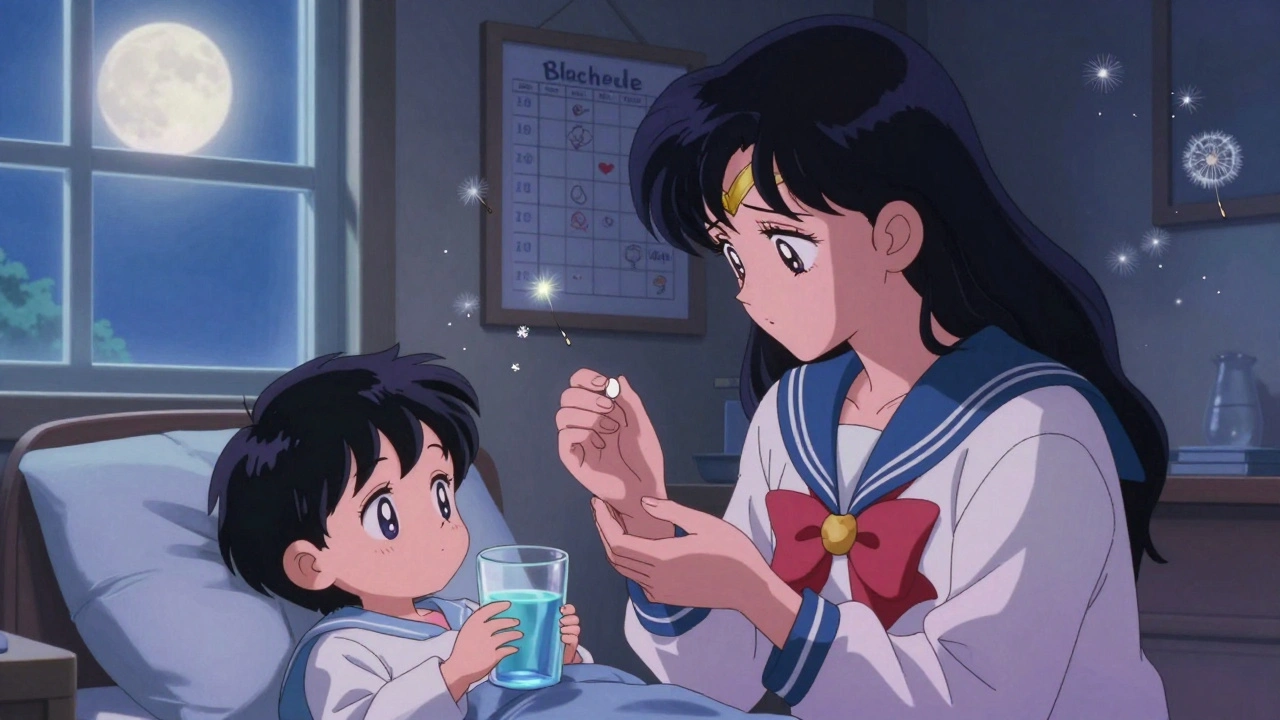
Melatonin can help some children sleep, but it's not a safe or simple solution. Learn the right doses, risks, and alternatives before giving it to your child.
Read More