Melatonin for Kids: What Parents Need to Know About Safety, Dosage, and Alternatives
When your child struggles to fall asleep, it’s easy to turn to melatonin, a naturally occurring hormone that helps regulate sleep-wake cycles. Also known as the sleep hormone, it’s widely available over the counter and often recommended by parents and even some pediatricians for kids with trouble falling asleep. But just because it’s natural doesn’t mean it’s risk-free—especially for children whose bodies are still developing.
Many parents use melatonin to help with bedtime resistance, delayed sleep phase, or sleep issues linked to ADHD or autism. But studies show that while it can help kids fall asleep faster, it doesn’t always improve how long they sleep or how well they sleep through the night. And there’s little long-term data on how daily use affects puberty, growth, or hormone balance. The FDA doesn’t regulate supplements like melatonin the same way it does prescription drugs, so what’s in the bottle might not match the label—some products contain up to 10 times more melatonin than stated.
There’s also the risk of side effects: morning drowsiness, headaches, bedwetting, and even mood changes. In rare cases, high doses have triggered seizures in kids with neurological conditions. And if you’re giving melatonin because your child won’t go to bed, you might be treating the symptom—not the cause. Poor sleep hygiene, screen time before bed, or anxiety are often the real culprits. Simple fixes like consistent bedtimes, dimming lights an hour before sleep, or cutting out caffeine can make a bigger difference than any supplement.
Some parents turn to pediatric sleep aids without realizing that behavioral strategies are the first-line recommendation from the American Academy of Pediatrics. If your child’s sleep problems persist, it’s worth talking to a pediatrician or sleep specialist—not just reaching for the bottle. They can help rule out sleep apnea, restless leg syndrome, or other conditions that mimic insomnia.
What you’ll find in the posts below isn’t a list of product reviews or dosage charts. It’s real, practical advice from parents and clinicians who’ve dealt with the same questions: Is this safe? How much is too much? Are there better ways? You’ll see what works, what doesn’t, and what most doctors wish more families knew before giving melatonin to their kids.
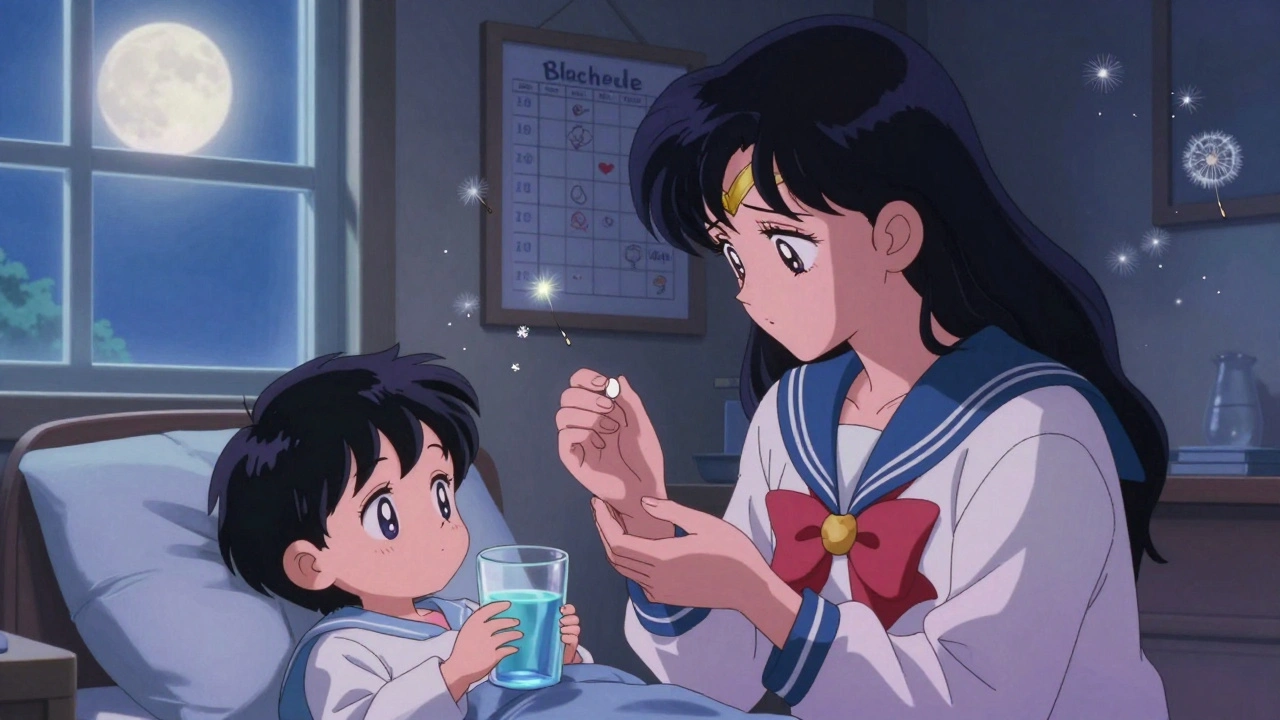
Melatonin can help some children sleep, but it's not a safe or simple solution. Learn the right doses, risks, and alternatives before giving it to your child.
Read More