Children's Sleep Aids: Safe Options, Risks, and What Works
When your child can’t fall asleep or keeps waking up at night, it’s not just them who’s exhausted. children's sleep aids, products or methods used to help kids fall or stay asleep, including over-the-counter remedies, supplements, and prescription drugs. Also known as pediatric sleep solutions, they’re one of the most searched topics for parents who’ve tried everything from white noise to bedtime stories. But not all sleep aids are created equal—and some can do more harm than good. The FDA hasn’t approved any over-the-counter sleep medications specifically for children under 12, yet many parents still reach for melatonin, diphenhydramine (Benadryl), or herbal blends because they’re desperate for a good night’s rest. What they don’t realize is that these aren’t always harmless, and often mask the real issue: poor sleep hygiene for children, a set of consistent habits and environmental factors that promote regular, restful sleep.
Before you consider any medication or supplement, ask yourself: is this child struggling because of anxiety, screen time before bed, inconsistent routines, or something medical like sleep apnea? A 2023 study in Pediatrics found that 25% of kids with chronic sleep problems had underlying behavioral or environmental causes—not a chemical imbalance. That means fixing their bedtime routine could work better than any pill. Even insomnia in kids, a persistent difficulty falling or staying asleep despite adequate opportunity is often tied to stress, irregular schedules, or too much caffeine in sodas and chocolate. Melatonin, while natural, isn’t a magic fix. It’s a hormone that helps regulate sleep-wake cycles, but giving it to a child without knowing their body’s natural rhythm can throw off their internal clock for weeks. And don’t assume that because something is labeled "natural" or "herbal," it’s safe. Some herbal sleep teas contain ingredients that interact with other meds or trigger allergic reactions.
The best sleep aids for children aren’t pills at all. They’re routines: the same bedtime every night, no screens for at least an hour before sleep, a cool, dark room, and calming rituals like reading or gentle stretching. For kids with anxiety, simple breathing exercises or weighted blankets (under supervision) help more than any supplement. Prescription sleep meds like melatonin receptor agonists or sedating antihistamines are only used in rare cases—under a pediatrician’s watch, and never as a first-line solution. If your child has been struggling for more than a few weeks, talk to their doctor. There’s a good chance the fix is simpler than you think. Below, you’ll find real stories and evidence-based tips from parents and doctors on what actually works—and what to avoid when helping your child sleep better.
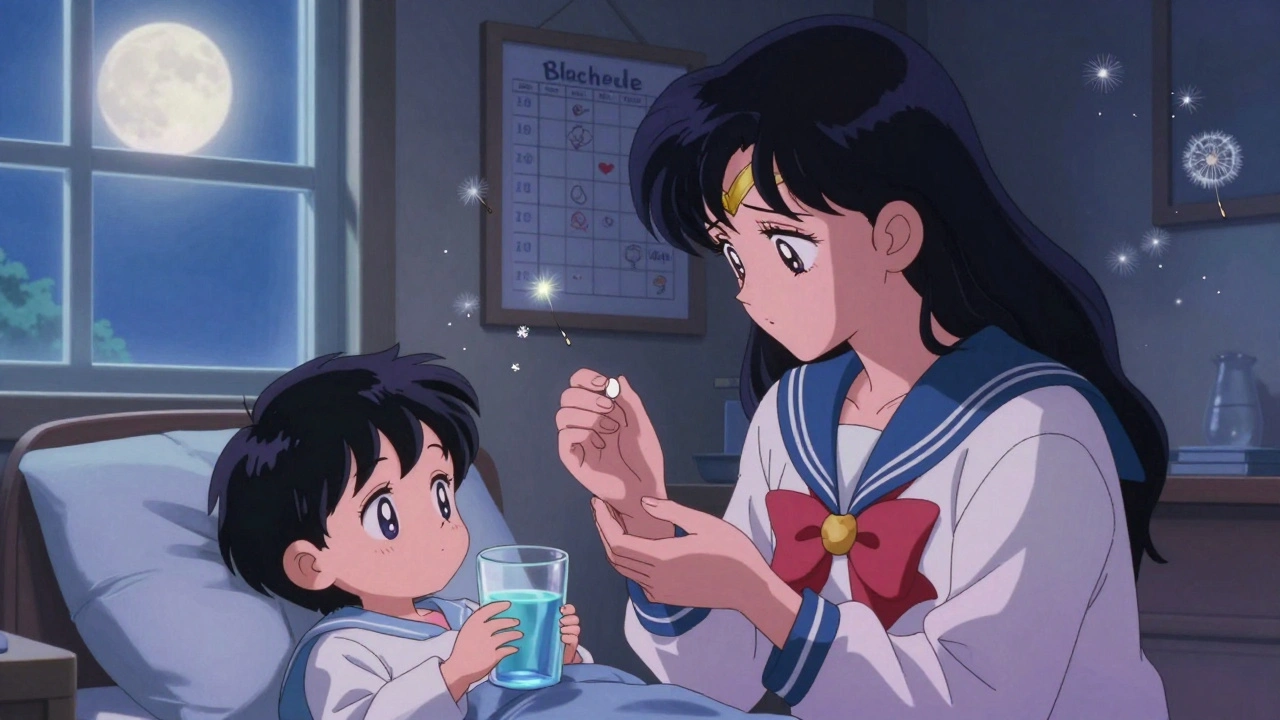
Melatonin can help some children sleep, but it's not a safe or simple solution. Learn the right doses, risks, and alternatives before giving it to your child.
Read More