TheOnlineClinic.co.uk - Your Guide to Pharmaceuticals - Page 2

Learn how to use naloxone nasal spray to reverse an opioid overdose in 9 simple steps. No medical training needed. This life-saving guide works for fentanyl, heroin, and prescription painkillers.
Read More
Cyclosporine and tacrolimus are vital for transplant patients but come with serious side effects - kidney damage, tremors, diabetes, and more. Learn how they differ, what the latest research says, and how patients are finding better options.
Read More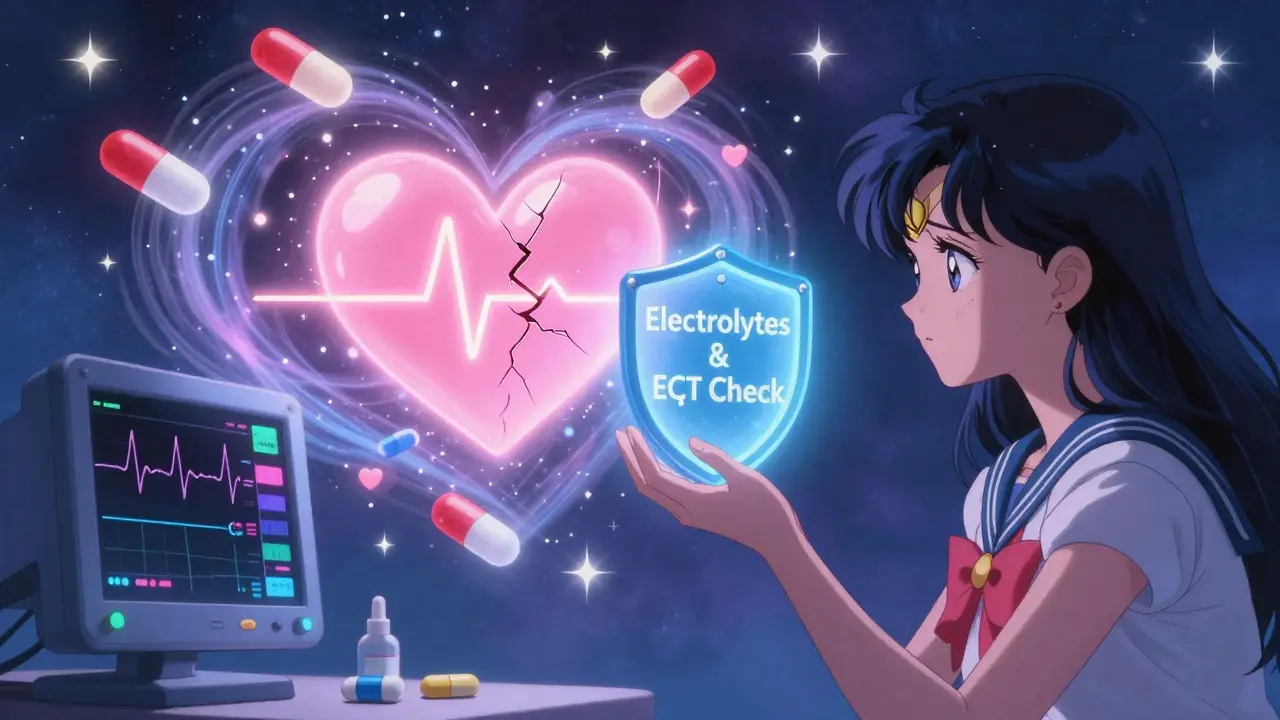
Macrolide antibiotics like azithromycin and clarithromycin can prolong the QT interval and trigger dangerous heart rhythms. Learn who’s at risk, how to spot it, and what alternatives exist.
Read More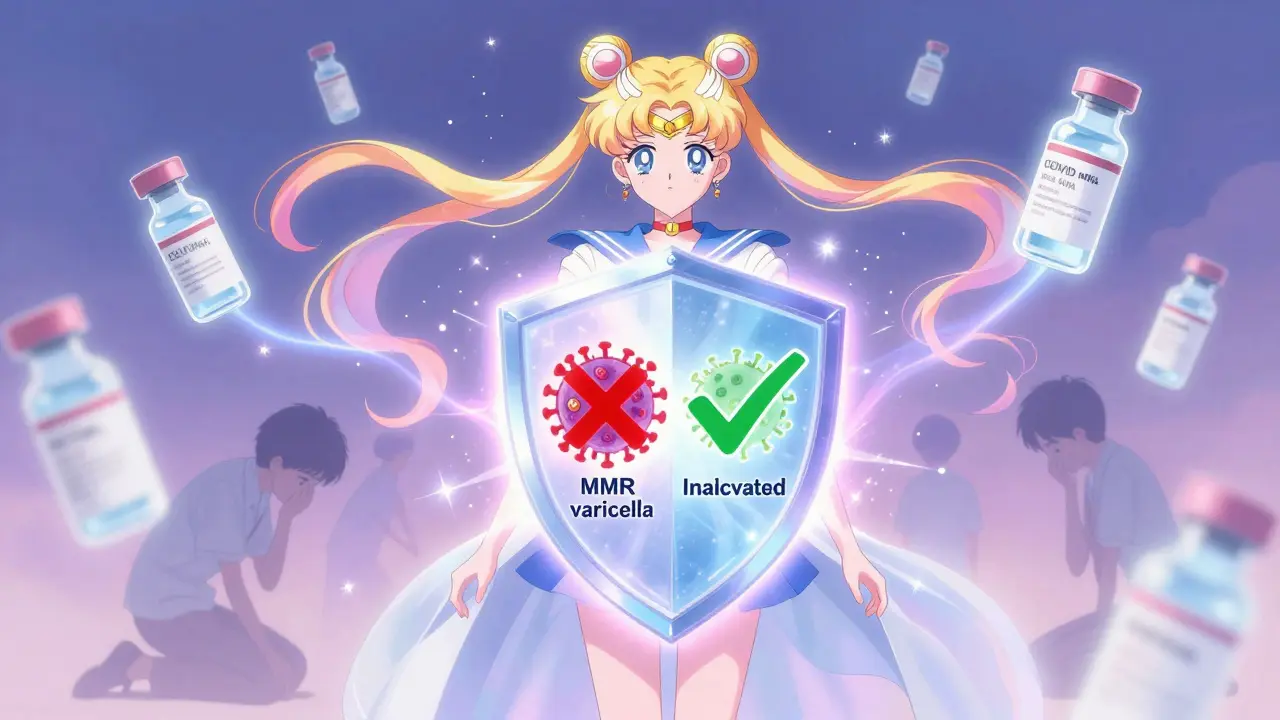
Vaccinations while on immunosuppressants require careful planning. Live vaccines are dangerous, inactivated ones need extra doses and precise timing. Learn what's safe, when to get it, and how to protect yourself and your loved ones.
Read More
The FDA's Purple Book is the official resource for understanding which biological drugs are biosimilars and which can be swapped at the pharmacy. Learn how it works, why interchangeability matters, and what it means for patients and providers.
Read More
IgE-mediated food allergies trigger rapid, potentially life-threatening reactions. Learn how early exposure to allergens like peanut and egg can prevent allergies, why epinephrine is critical during anaphylaxis, and what new research is revealing about skin health and immune tolerance.
Read More
GLP-1 agonists like Wegovy and Zepbound offer powerful weight loss-up to 20% of body weight-but come with side effects like nausea and high costs. Learn how they work, who they're for, and what to expect.
Read More
Modern direct-acting antivirals cure over 95% of chronic hepatitis C cases in just 8-12 weeks, halting liver damage and even reversing scarring. Learn how these pills work, who can benefit, and why testing is still the biggest barrier to elimination.
Read More
Medicare Part D substitution rules determine which drugs can be swapped for others, affecting your out-of-pocket costs. Learn how formularies, the $2,000 cap, and step therapy impact your coverage in 2025.
Read More
Preventing compounding errors in customized medications requires strict adherence to USP standards, dual verification, proper labeling, and staff training. Learn how pharmacies reduce risks and keep patients safe.
Read More